Creating a cozy and functional home office space is key to maintaining productivity and enjoying your workday, especially as more people work from home. A well-designed office balances comfort with practicality, helping you focus while feeling relaxed. Whether you have a dedicated room or a small corner, these tips will help you create a workspace that suits your needs and style.
Assess Your Space and Needs
Before you start rearranging furniture or shopping for new items, take a moment to evaluate your space and work habits.
– Available Space: Measure your area to understand what size desk and storage options will fit comfortably.
– Work Style: Consider whether you need more room for multiple monitors, a place for meetings, or storage for files and supplies.
– Natural Light: Identify windows and light sources. Natural light can improve mood and productivity but sometimes causes glare, so plan accordingly.
Choose Comfortable, Functional Furniture
Comfort and ergonomics play a major role in a home office setup.
Desk
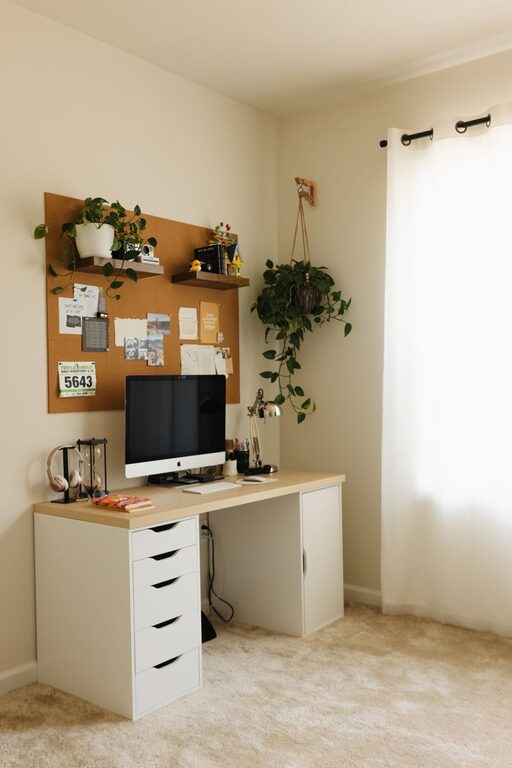
– Opt for a desk that fits your space but still offers enough surface area for your computer, notes, and other tools.
– Adjustable desks or standing desks are great for alternating positions throughout the day to reduce fatigue.
Chair
– Invest in an ergonomic chair with adjustable height, lumbar support, and comfortable padding.
– Your chair should promote good posture to avoid back and neck pain.
Storage Solutions
– Use shelves, filing cabinets, or drawers to keep your desk clutter-free.
– Multi-purpose furniture like desks with built-in storage can save space.
Optimize Lighting for Comfort
Proper lighting reduces eye strain and enhances focus.
– Use a combination of natural and artificial light sources.
– Position your desk near a window, but avoid direct glare on your screen.
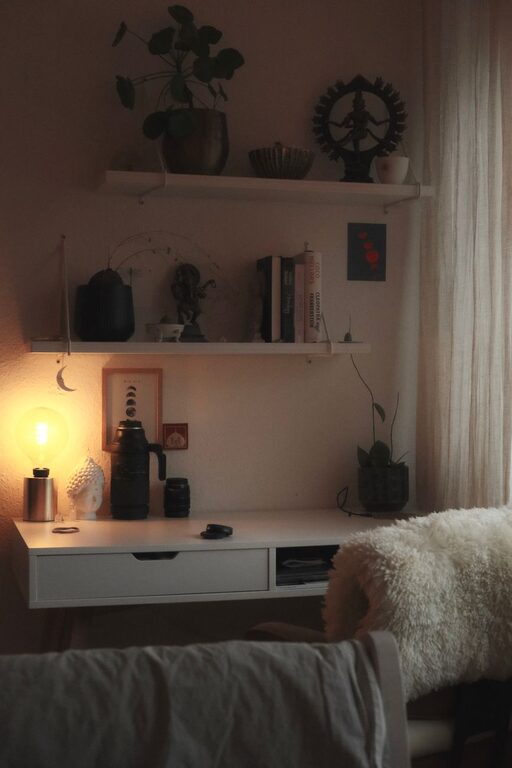
– Desk lamps with adjustable brightness and color temperature are helpful for evening work.
– Consider soft overhead lighting to create a warm, inviting atmosphere.
Personalize Your Workspace
Adding personal touches makes your home office more inviting.
– Decorate with artwork, plants, or photos that inspire you.
– Use colors that promote calmness and concentration, such as blues and greens.
– Consider a cozy rug or cushion to add texture and warmth.
Keep Technology and Cables Organized
Technology is essential, but cables and gadgets can quickly become messy.
– Use cable organizers or clips to prevent tangles.
– Wireless devices can reduce clutter.
– Make sure your workspace has enough outlets or invest in power strips with surge protection.
Incorporate Plants for Freshness
Indoor plants improve air quality and create a soothing environment.
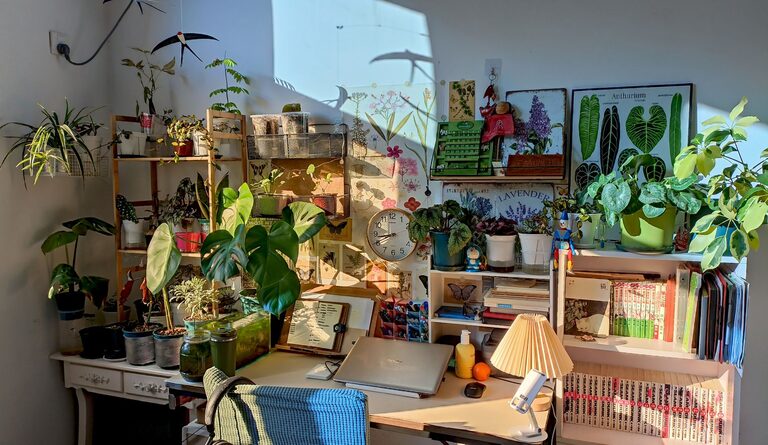
– Choose low-maintenance plants like succulents, snake plants, or pothos.
– Place them near natural light but avoid direct sun if the plant doesn’t require it.
Maintain Cleanliness and Organization
An organized office helps reduce distractions and stress.
– Allocate time each day to tidy up your workspace.
– Use organizers for pens, notebooks, and other small items.
– Regularly declutter to keep only what you need close at hand.
Create Zones for Different Activities
If your space allows, designate areas for various tasks.
– A primary work area with your computer.
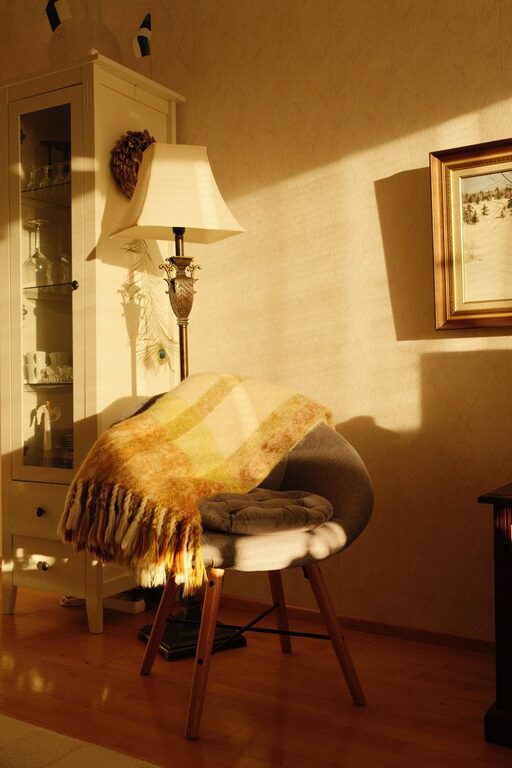
– A reading nook with a comfortable chair and good lighting.
– A brainstorming space with a whiteboard or corkboard for ideas.
Set Boundaries for Work-Life Balance
Keeping your office distinct from your living space helps with focus.
– Use room dividers or curtains if your office is part of a multi-purpose room.
– Establish routines for starting and ending your workday.
– Avoid the temptation to work from your bed or couch.
Final Thoughts
Designing a cozy and functional home office is about blending comfort, practicality, and your personal style. By thoughtfully arranging your space, choosing the right furniture, and organizing technology and supplies, you’ll create an environment that supports productivity and well-being. Remember, small changes over time can make a big difference in how you feel and work each day.
About the Author